
How to Identify Wind and Hail Damage Before Roof Repair
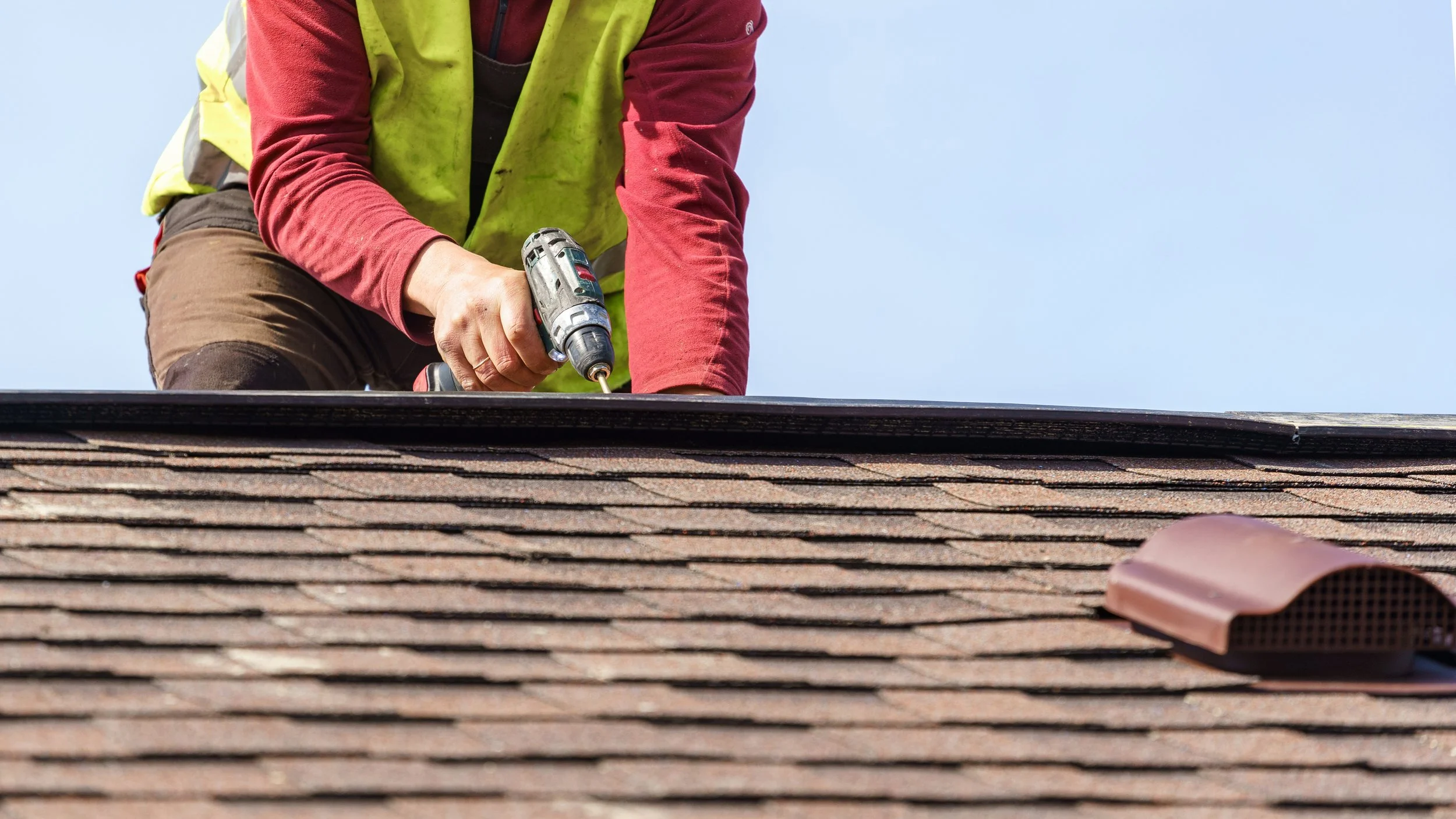
If you live in Tulsa OK windstorms and hailstorms are a regular occurrence. They can cause impressive damage in their passing. The roof of your home can be negatively impacted. You need to recognize the obvious indicators of any damage.
Signs of Windstorm Damage
If your roof has been damaged by a windstorm, you may notice several signs. Among the most common are:
Shingles are curling, missing granules or missing entirely.
Flat roofs exhibit tears and/or cracks.
Your roof leaks.
Your gutters show roofing tile granules
Water is pooling on your roof.
The soffit or fascia features cracks and tears or material is missing.
The chimney appears to be crooked.
Indicators of Damage from Hailstorms
The signs of hailstorm damage to your roof can be subtle. They can also be difficult to differentiate from roof blisters. You need to look for:
Small indentations and/or holes in the shingles.
Inspect your vents for dents from hailstones.
Check the flashing to see if there are any dings.
You should also check the gutters of your roof for the presence of hailstones.
Contact the Roofing Professionals
If you identify any of the above indicators of roofing damage after a windstorm or hailstorm, be sure to contact a roofing professional. Whether you are looking at repair work or if a replacement roof will suffice, can only be answered by a professional. By talking to a licensed and reputable company such as Right Now Roofing, you are sure to learn more about what specific actions need to be taken.
Strong windstorms and hailstorms can cause serious damage to residential and commercial roofs, often in ways that are not immediately visible. Identifying this damage early is essential to prevent leaks, structural issues, and costly repairs. Right Now Roofing & Solar helps homeowners understand the key signs of wind and hail damage so that timely action can be taken before minor problems turn into major ones.
Windstorm damage usually occurs when powerful gusts lift, loosen, or completely remove roofing materials. One of the most common indicators is missing or displaced shingles. Shingles may appear lifted at the edges, curled, or scattered around the property. Even if shingles are still in place, strong winds can break the adhesive seal that protects your roof, making it vulnerable to future storms and water intrusion. Flashing around chimneys, vents, and skylights is also at risk, as wind can bend or detach these metal components, allowing moisture to seep in.
Another sign of wind-related roof damage is granule loss. Asphalt shingles are coated with granules that protect them from UV rays and weather exposure. After a windstorm, you may notice excessive granules collecting in gutters or downspouts. This loss reduces the lifespan of the roof and weakens its ability to repel water effectively. Interior signs, such as water stains on ceilings or walls, can also point to wind damage that has already compromised the roofing system.
Hailstorm damage is often harder to detect because it may not cause immediate leaks. Hail impacts typically leave small dents, cracks, or bruises on shingles. These bruises occur when hailstones strike the roof and displace the granules, exposing the underlying asphalt mat. Over time, these weak spots can crack and allow water penetration. Metal roofing, vents, and flashing may show visible dents or dings after a hailstorm, which can affect both appearance and performance.
Gutters and downspouts can also reveal hail damage. Dents, cracks, or separated sections often indicate that hail has struck with enough force to impact the roof as well. Siding, window trims, and outdoor fixtures may show similar marks, serving as additional clues that the roof has been affected. While these signs may seem cosmetic, they often signal deeper roofing issues that require professional evaluation.
Ignoring windstorm and hailstorm damage can lead to long-term problems, including mold growth, insulation damage, and structural weakening. Even small areas of damage can worsen with repeated exposure to rain, heat, and additional storms. That’s why a professional inspection is critical after severe weather events.
Right Now Roofing & Solar specializes in thorough residential & commercial roof inspections and damage assessments following wind and hailstorms. Their experienced team knows exactly what to look for and can identify hidden issues that homeowners may overlook. By addressing storm damage early, property owners can extend the life of their roof, maintain energy efficiency, and avoid unexpected repair costs. Regular inspections after major weather events are one of the most effective ways to protect your home and ensure your roof continues to perform reliably year after year.
