
Is My Roof Suitable for Solar Panels? Key Factors Property Owners Should Consider Before Installation
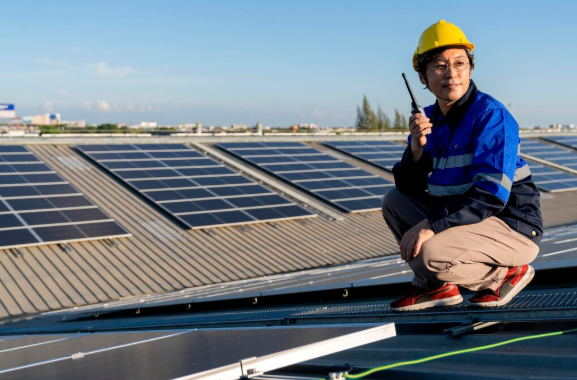
As energy costs continue to rise and sustainability becomes a priority, more property owners are considering solar as a long-term solution. However, before committing to solar, one critical question needs to be answered: Is my roof actually suitable for solar panels?
At Right Now Roofing & Solar, we often meet homeowners and business owners who are excited about solar but unsure whether their roof can support it. The truth is, not every roof is ideal, and understanding the key factors beforehand can save time, money, and frustration. This guide breaks down what truly matters when evaluating your roof for solar panel installation, without overwhelming you with technical jargon.
Roof Orientation and Sun Exposure
One of the first things to assess is how much sunlight your roof receives throughout the day. Solar panels perform best when they receive consistent, direct sunlight.
Important points to consider include:
South-facing roofs generally receive the most sunlight
East- and west-facing roofs can still be effective, though output may be slightly lower
Shading from trees, nearby buildings, or chimneys can reduce efficiency
Even partial shading during peak hours can impact overall energy production. A professional assessment helps determine whether your roof’s exposure supports efficient solar system installation.
Roof Size and Usable Space
The total size of your roof matters, but what’s more important is the usable space available for panels. Skylights, vents, HVAC units, and roof design features can limit how many panels can be installed.
A properly designed layout ensures:
Panels are positioned for maximum exposure
Roof features don’t interfere with performance
Energy needs are matched with available space
This is especially important for residential solar systems, where roof size directly affects how much of your energy demand can be offset.
Roof Pitch and Angle
The slope of your roof plays a role in how efficiently solar panels operate. While panels can be installed on most roof pitches, certain angles are more favorable for sunlight absorption.
Key considerations include:
Moderate slopes tend to balance sunlight exposure and water runoff
Very flat or very steep roofs may require additional mounting solutions
Proper angle helps reduce debris buildup and improves long-term performance
Experienced installers can adjust mounting systems to optimize energy output even if your roof angle isn’t ideal.
Roof Condition and Age
Solar panels are designed to last 25 years or more, so your roof needs to be in good condition before installation. Installing panels on an aging or damaged roof can lead to costly repairs later.
Before moving forward, it’s important to evaluate:
Remaining lifespan of your roofing materials
Signs of leaks, sagging, or structural damage
Whether a roof repair or replacement is needed first
At Right Now Roofing & Solar, we specialize in roofing and solar, allowing us to address roof issues before solar panel installation, ensuring long-term reliability.
Roofing Material Compatibility
Different roofing materials interact differently with solar mounting systems. While most materials are compatible, installation techniques may vary.
Common roofing types and considerations:
Asphalt shingles are widely used and easy to work with
Metal roofs are durable and often ideal for solar mounting
Tile or slate roofs may require specialized mounting to prevent damage
For properties planning a commercial solar panel setup, roof material and load capacity are even more critical due to larger system sizes.
Structural Strength and Load Capacity
Solar panels add weight to your roof, and your structure must be able to support it safely. This is especially important for older buildings or commercial properties.
Structural evaluation typically focuses on:
Roof framing and support beams
Local building codes and safety standards
Wind and weather load requirements
A proper assessment ensures your roof can safely handle a solar system installation without compromising structural integrity.
Local Climate and Weather Conditions
Weather plays a bigger role than many property owners realize. While solar panels are built to withstand harsh conditions, your roof must also be prepared for local climate challenges.
Things to factor in:
High wind zones may require reinforced mounting systems
Heavy snowfall areas need proper panel tilt for snow shedding
Extreme heat can affect roofing materials and panel efficiency
Understanding these factors helps design a system that performs reliably year-round.
Energy Goals and Usage Patterns
Roof suitability isn’t just about structure; it’s also about whether solar aligns with your energy needs. A roof may be technically suitable, but system size and output must match your usage goals.
Consider:
Current electricity consumption
Whether you want partial or near-total energy offset
Future energy needs, such as EV charging or business expansion
This applies to both residential solar systems and commercial solar panel projects, where energy demand can vary significantly.
Permits, Regulations, and HOA Guidelines
Even if your roof is perfect for solar, local regulations can influence what’s allowed. Zoning laws, building permits, and homeowners’ association rules may affect panel placement or visibility.
Common regulatory considerations include:
Setback requirements and height restrictions
Fire safety access pathways
Utility interconnection approvals
Working with a knowledgeable provider simplifies this process and helps avoid delays.
Why a Professional Roof and Solar Evaluation Matters
Online calculators and general advice can only go so far. Every roof is unique, and assumptions can lead to underperforming systems or unexpected costs. A professional evaluation looks at all factors together, not in isolation.
At Right Now Roofing & Solar, our integrated approach means we assess your roof’s condition, structure, and solar potential in one complete review. This ensures your investment is practical, safe, and designed for long-term success.
So, is your roof suitable for solar panels? The answer depends on a combination of sunlight exposure, roof condition, structure, and long-term energy goals. While many roofs can support solar, the best results come from careful planning and expert evaluation.
By understanding these key factors upfront, property owners can move forward with confidence, knowing their solar investment is built on a solid foundation. Whether you’re exploring solar for your home or considering a larger commercial solar panel project, taking the time to assess your roof properly is the smartest first step.
If you’re ready to find out whether your roof is solar-ready, Right Now Roofing & Solar is here to help with honest guidance, roofing expertise, and solutions designed to last.
